KARAMOJA NEWS Truth All Day
Related Articles

By Cinderella Atenyo-Moroto
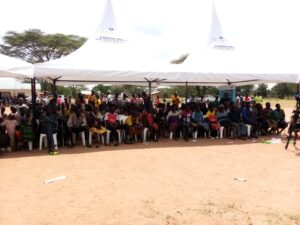
A recent community dialogue has highlighted how severe poverty and extended drought are intensifying child labour and early marriage in Nadunget Sub County in Moroto district, particularly affecting girls and undermining their education and future prospects.
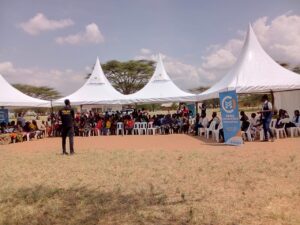
The event, held on Thursday last week under the theme “Youth Voices, Shared Future,” was organized by the Media Challenge Initiative (MCI) in partnership with Restless Development and KAYESE. It brought together youth, cultural leaders, local government officials, and community members to address critical issues facing girls and young people, including early marriage, child labour, school dropouts, and limited youth participation in governance.
Participants identified poverty and hunger—exacerbated by crop failures due to harsh climatic conditions—as primary drivers pushing families to engage children in labour or marry off daughters as a survival mechanism. One participant who only identified herself as Valentina from Nakapelimen village in Nadunget noted that some parents view early marriage as a pathway to wealth, but it often results in exploitation, school dropout, and the denial of opportunities for girls.
Another participant, Losike Prisca pointed to mounting parental pressure as a key factor compelling girls into early unions, warning that the situation could worsen this year amid widespread agricultural losses. Mangat Prisca, LC3 representative for Nadunget Town Council, reported that hunger has nearly doubled, leading to higher school dropout rates and increased vulnerability to exploitation.
A prominent concern was child labour, particularly the involvement of young girls in transporting and selling charcoal. Children aged 8 to 15 undertake long, arduous journeys to nearby towns, exposing them to significant risks.
James Israel Lowal, the Senior Community Development Officer at Nadunget Town Council, highlighted ongoing enforcement measures. He said authorities have begun impounding girls involved in charcoal vending, escorting them back to parents, and providing guidance to support their return to school.
These efforts, launched three weeks prior through community sensitization involving youth, police, the Labour Office, and local leaders, aim to curb the practice and prioritize education. Local leaders, including Mangat Prisca, have also prohibited the transport of charcoal by children and are implementing awareness campaigns, mobilization, and protective measures drawn from successful village-level experiences across the region.
These local realities reflect wider patterns in Karamoja, one of Uganda’s most affected sub-regions. Poverty, food insecurity, and climate-induced drought are major drivers of child labour and early marriage. Families facing economic hardship often see child labour or bride price as immediate coping strategies.
Nationally, child labour remains prevalent. Surveys indicate high engagement rates, with Karamoja frequently recording among the highest incidences (for example, 56% in some assessments for children aged 5–17). Much of this work occurs in hazardous conditions, including agriculture, charcoal production, and informal sectors.
The impacts are profound. Child labour disrupts education and contributes to high dropout rates, with many working children attending school irregularly or not at all, which perpetuates cycles of poverty. Exposure to long hours, heavy loads, dust, toxins, injuries, respiratory issues, and exploitation increases vulnerability to illness, trauma, and long-term developmental harm.
This situation is closely linked to early marriage, which is particularly high in Karamoja (around 52% for girls) and often leads to teenage pregnancy, limited economic opportunities, and further entrenchment of intergenerational poverty. Food insecurity and prevailing social norms also exacerbate risks of trafficking and hazardous labour.
Broader Ugandan data shows that agriculture dominates child labour (over 90% in some studies), with significant involvement in hazardous conditions. Leaders are taking proactive steps, including sensitization, enforcement, and school reintegration.
Rita Kampi, Project Manager at MCI, emphasized that the dialogue forms part of ongoing efforts to amplify youth voices, protect children, and foster inclusive governance through storytelling, film, and community-led solutions. The initiative receives support from the Royal Embassy of the Netherlands, the Embassy of Ireland, and others.
While local initiatives demonstrate commitment, stakeholders urge stronger government support, including enhanced labour inspections, funding for education, and climate-resilient livelihoods to address root causes. Comprehensive strategies combining enforcement, awareness, economic support, and education access are essential to break the cycle of child labour and early marriage in Karamoja.