KARAMOJA NEWS Truth All Day
Related Articles

Cinderella Atenyo
The Ministry of Internal Affairs, through the Directorate of Citizenship and Immigration Control, has called on leaders in the Karamoja region to play a proactive role in enhancing local security through robust citizenship verification and effective tracking of foreign nationals.
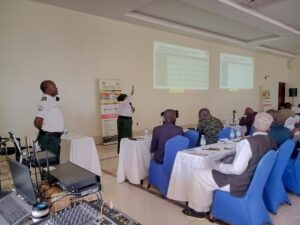
During a high-level sensitization workshop held on Tuesday at Hotel Africana in Moroto District, regional leaders, local mayors, and security personnel were briefed on key migration policies, regional security priorities, and best practices for citizenship verification. Acting Commissioner of Borders and Foreign Nationals Management, Bwesigye Marcelino, emphasized the critical responsibility of local authorities.
“Local leaders are the first line of defense. Know who lives and works in your area,” Commissioner Bwesigye stated.
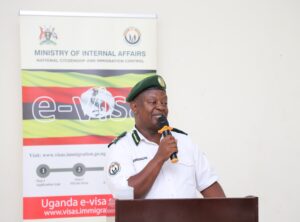
Karamoja’s strategic location along Uganda’s borders with Kenya and South Sudan presents both opportunities and significant challenges. The region continues to experience an influx of foreign nationals, many entering with inadequate or no documentation, exacerbated by porous border points—particularly on the Kenyan side, where the absence of formal immigration infrastructure has facilitated unchecked movement.
Key concerns highlighted include links between some foreign nationals, notably from Turkana communities, and incidents of insecurity, including the proliferation of illegal firearms. Additional issues involve the importation of diseases and strain on local resources and district budgets due to rapid population increases and access to services. Challenges were also noted at specific entry points such as Nakitongo and Morungole.
Muweke Edward Bukenya, Manager of the Karamoja Regional Office, acknowledged ongoing concerns at porous borders while commending security teams for their collaboration. Stephen Odong Latek, Resident District Commissioner for Kaabong, and Emmanuel Lodiru, Kotido District representative, echoed these sentiments, calling for enhanced border infrastructure and stricter controls.
While underscoring the need for vigilance, the discussions also highlighted substantial development potential when migration and foreign participation are managed legally and transparently. Karamoja’s rich natural resources—particularly gold and other minerals—and its growing tourism sector offer significant economic opportunities.
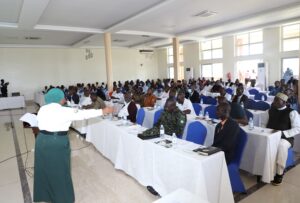
Properly documented investors, skilled workers, and tourists can contribute to job creation, infrastructure development, revenue generation, and community livelihoods. Commissioner Bwesigye and other speakers stressed the importance of issuing appropriate permits and authorizations—especially for those involved in mining and investment activities—to harness these benefits while mitigating risks.
Uganda’s relatively open approach to peaceful coexistence was noted positively, provided it is underpinned by enforceable immigration laws and improved service delivery.
The sensitization exercise forms part of broader government efforts to strengthen governance, border management, and national security. Recommendations included constructing and equipping formal border posts, intensifying community awareness campaigns on documentation requirements, strengthening inter-agency collaboration between immigration, security, and local leaders, and promoting legal investment channels to support sustainable development in mining and tourism.
Effective implementation of these measures will help secure Karamoja’s borders, address security threats, and unlock the region’s economic potential for the benefit of residents and the nation as a whole.