KARAMOJA NEWS Truth All Day
Related Articles


…Leaders at the Karamoja Youth Summit called for greater youth inclusion, climate resilience and long-term investment as the region faces mounting social and environmental challenges…
By Francis Longom
MOROTO – Youth leaders from across Karamoja have warned that unless young people are meaningfully included in governance and equipped to respond to climate change, the sub-region risks losing a generation to poverty, unemployment and recurring climate shocks.
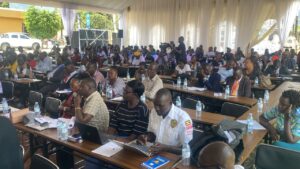
Concerns dominated discussions at the 2026 Karamoja Youth Summit, which brought together Chief Administrative Officers, Resident District Commissioners, LCV Chairpersons, Community Development Officers and youth representatives from all nine districts of Karamoja. Karamoja’s youth are raising alarms about the dire challenges of climate change, unemployment, and social exclusion threatening their future.
At the 2026 Karamoja Youth Summit, held in Moroto, young leaders called for enhanced youth inclusion, climate resilience, and sustained investment to address these pressing issues. The summit gathered key stakeholders, including Chief Administrative Officers, Resident District Commissioners, LCV Chairpersons, Community Development Officers, and youth representatives from the region’s nine districts, emphasizing the urgent need for proactive governance and youth empowerment to prevent a lost generation in Karamoja.

Social exclusion in Karamoja exacerbates the challenges faced by its youth, limiting their access to education, employment opportunities, and participation in decision-making processes. This marginalization not only deepens the cycle of poverty but also stifles the potential of young people to contribute to their communities and the region’s development.
Without addressing social exclusion, the youth of Karamoja may remain voiceless and powerless, hindering their ability to drive positive change and secure a sustainable future. Held under the theme “Shaping Karamoja’s Future with Inclusive Governance and Climate Action”, the summit was organised by KAYESE, the Regional Youth Information Hub (RYIH), Restless Development and the Media Challenge Initiative, with support from the Royal Danish Embassy, the Kingdom of the Netherlands and the Embassy of Ireland.
Speaking at the summit, KAYESE Project Coordinator Samuel Lokut said young people had gathered to find lasting solutions to the twin challenges of weak governance and climate change, which continue to undermine livelihoods across the region. He noted that increasingly unpredictable weather patterns have made farming and livestock keeping more difficult, prompting the organisation to advocate for policies that strengthen climate resilience while educating communities about the growing impacts of climate change.
Climate expert Solomon Elungat from the Office of the Prime Minister described climate change as a global threat whose effects are already being felt in Karamoja. He urged young people to make greater use of weather and climate information when planning agricultural activities and encouraged them to embrace green skills and environmentally friendly technologies that can help communities adapt to changing conditions.
Beyond climate concerns, speakers highlighted the limited opportunities available to young people. Moroto District LCV Chairperson Pulkol Anjello said Karamoja has long been portrayed negatively and challenged youth to rewrite that narrative by championing good governance and practical development solutions.

He called for investment in large-scale water infrastructure, including a man-made lake, to boost agricultural production and urged district leaders to create regular platforms where young people can directly engage with decision-makers. He also criticised the low representation of local youth in employment opportunities offered by some non-governmental organisations operating in the region.
Restless Development Chief Executive Officer Gabriel Iguma said the organisation established the Karamoja Regional Information Hub to ensure the region’s stories are told by people who understand its realities. He reaffirmed the organisation’s commitment to advancing youth priorities, while KAYESE’s Lopeyok Francis stressed that addressing climate change requires collective responsibility from communities, leaders and development partners alike.
Moroto Resident District Commissioner Benon Kwekiriza urged district leaders to include young people in decision-making processes, arguing that policies affecting youth cannot succeed without their direct participation. He further encouraged communities to embrace more sustainable settlement and production systems, including expanded water infrastructure at the parish level, to strengthen their livelihoods.
He also appealed to development partners to hold youth summits more frequently so that young people can regularly deliberate on issues affecting their future. Media Challenge Initiative Chief Executive Officer Mpindi Abaas said investing in today’s youth is essential to securing Karamoja’s future, noting that responsibility for shaping the next generation lies with today’s leaders.
Meanwhile, Kotido District LCV Chairperson Lotee Paul Komol challenged young people to move beyond social media criticism and instead organise around issues that advance their collective interests and development. While the summit concluded with renewed commitments from government and development partners, participants maintained that meaningful change will depend on translating the discussion into tangible action.