KARAMOJA NEWS Truth All Day
Related Articles
By Timothy Eodu
President Yoweri Kaguta Museveni has called for a cultural audit among the Karimojong to identify practices that should be preserved and those that should be abandoned, saying culture must support peace, development and the future of the community.
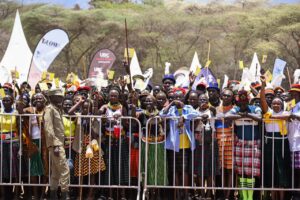
Speaking during the Karamoja Cultural Festival in Moroto on Wednesday, President Museveni congratulated the Karimojong for preserving their cultural identity and organising a festival that brought communities together to celebrate their heritage.
However, the President said not every cultural practice should be maintained simply because it has been passed down through generations. He called for a deliberate review of cultural practices to identify positive traditions that can continue benefiting society while discouraging those he described as harmful or outdated.
“We need to audit our culture and see what is good and preserve it, and identify what is bad and remove it,” Museveni said.
The President said some aspects of Karimojong culture, including discipline and strict social values, should be preserved because they contribute positively to society. He particularly pointed to what he described as strong moral standards among communities, saying such values could help address social challenges.
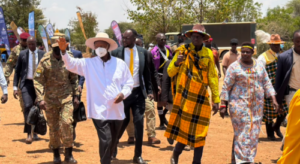
At the same time, Museveni urged communities to reconsider cultural practices that may stand in the way of social and economic transformation. He specifically mentioned nomadism among practices that should be reconsidered.
His call came as thousands of people gathered at the cultural festival to celebrate Karamoja’s heritage through traditional dances, food, crafts and other cultural expressions. The President’s message placed culture at the centre of the region’s future development, arguing that traditions should not only be preserved but also examined to ensure they respond to the changing needs of society.
The call for a cultural audit also comes at a time when Karamoja is experiencing relative peace following years of insecurity and cattle rustling. Leaders at the festival said the prevailing peace, partly attributed to the Usalama Kwa Wote security operation, has opened new opportunities for investment, tourism, agriculture and trade.
Fr. Raphael Loberei, a peace advocate told the gathering that the transformation in Karamoja was now visible, saying communities that were once associated with armed violence were beginning to embrace peaceful economic activities. He said some former Karachunas were now using traditional routes as traders, carrying money and goods instead of guns.
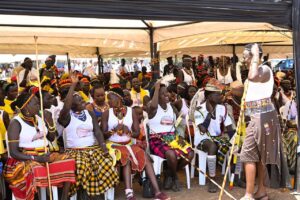
Vice President Jessica Alupo also called for the preservation and documentation of Karimojong culture, urging schools and academic institutions to play a role in ensuring that the region’s heritage is passed on to future generations. She said cultural celebrations provide an opportunity for communities to remember their ancestry and strengthen unity.
The Minister for Karamoja Affairs, John Baptist Lokii, said the cultural festival was also an opportunity to change the long-standing negative narrative about Karamoja. He said the region should use the prevailing peace to showcase its cultural richness, agricultural potential, natural resources and growing investment opportunities.
The Karamoja Cultural Event is an annual community-led celebration aimed at promoting cultural preservation, unity and peace among the people of Karamoja and the wider Ateker communities. The event rotates among the districts of the Karamoja sub-region, allowing different communities to host and showcase their unique traditions and heritage.
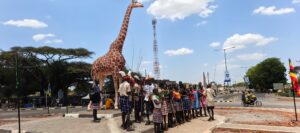
The 2026 and the 11th edition of the festival, is being hosted in Moroto District from September 6 to 12 at Naitakwae Grounds. It has brought together Ateker communities and delegates from Uganda and neighboring countries, including the Turkana of Kenya, Toposa of South Sudan and Nyangatom of Ethiopia.
This year’s event is being held under the theme, “Unity in Culture, Strength in Peace, Prosperity through Tourism and Natural Resources.” Activities include traditional dances, cultural exhibitions, traditional foods, crafts, peace dialogues, sports and discussions involving elders, women and youth. The festival has also increasingly become a platform for promoting peace, tourism and development in the Karamoja sub-region.